Using ESP32 for the First Time
The first time I came across an ESP32 wasn’t as an employee. I was a student.
Like many engineering students, I was simply looking for technologies that could help turn ideas into reality. Technologies that were accessible enough to start with, yet powerful enough to grow alongside increasingly ambitious projects. I was a maker at heart, always curious about how things worked and excited by the possibility of building something meaningful from scratch.
I didn’t know then that I would eventually spend the next few years helping other students discover the same possibilities.
Good Products Need Great Communities
It is easy to think that if a technology is good enough, people will naturally adopt it. Over the years, I’ve learnt that good products only become great when there are strong ecosystems and communities around them.
Technology alone is rarely enough.
Espressif doesn’t particularly have an insurmountable moat. What we do have is a loyal and passionate community of builders around our technologies. Communities don’t appear overnight. They are patiently built through good products, meaningful experiences and people willing to invest in one another.
Perhaps that’s why I’ve grown to appreciate open source communities so much. Good technologies may attract people, but strong communities are what keep them around.
Think Win-Win
One phrase from Stephen Covey’s The Seven Habits of Highly Effective People has always stayed with me: Think Win-Win.
It is something I constantly keep in mind whenever I have collaboration discussions.
Professors are looking for meaningful industry collaborations that can better prepare students for tomorrow’s challenges. Student leaders spend countless hours organizing communities and events that inspire their peers to start building. Engineers willingly give up their time to conduct workshops, mentor projects and share their expertise. Companies patiently invest in creating opportunities that lower the barriers to learning and experimentation.
The magic happens when all these groups come together.
I’ve learnt that the best partnerships never feel transactional. They feel collaborative.
Students gain access to empowering technologies and opportunities to build impressive projects. Professors are able to bring industry perspectives into their classrooms. Student organizers create memorable hackathon experiences for their communities. Engineers have opportunities to inspire the next generation of builders and observe how real users interact with emerging technologies. Companies get to grow alongside passionate communities that genuinely enjoy building with their products.
Everyone walks away having gained something valuable.
Ironically, stakeholder management has very little to do with managing stakeholders. It has everything to do with understanding what success looks like from another person’s perspective.
Education Partnerships in Action
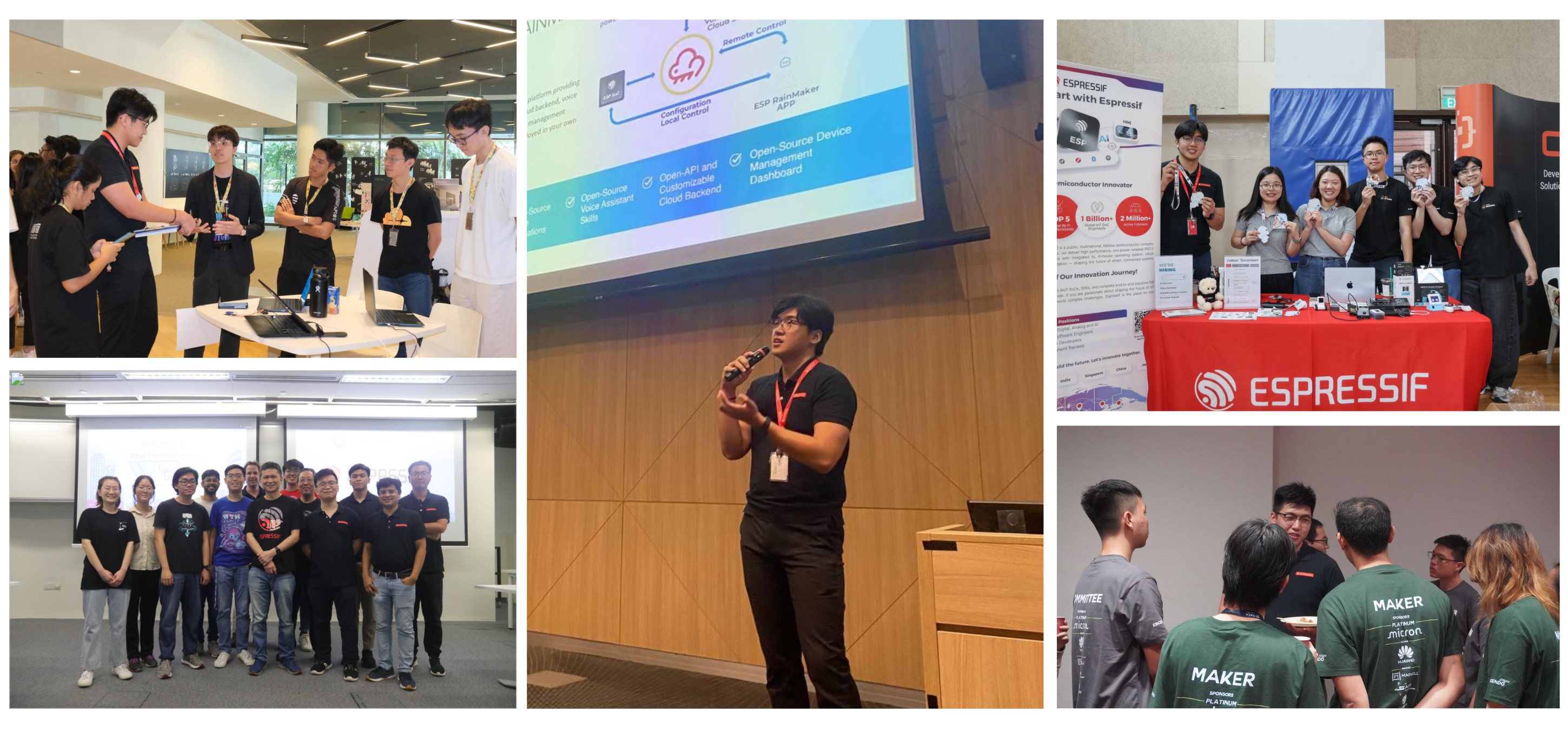
Over the years, I’ve had the privilege of working with professors and student leaders across local and overseas universities, supporting hackathons, workshops, fireside chats, mentorship programmes and student projects. Together with our engineers and colleagues, we’ve impacted over 3,500 students across Singapore, the United Kingdom, Europe and the United States.
This way of thinking shaped many of the initiatives we pursued over the years. Sometimes that meant sponsoring hackathons and providing development kits for students to experiment with. Sometimes it meant organizing technical workshops on emerging technologies and connecting students directly with our engineers. Other times, it was helping professors identify the most suitable technologies and resources for their teaching and research needs.
No two collaborations ever looked the same because every community had different needs. The question was never “What can we offer?” but rather “What can we build together?”
Stress Testing in the Classroom
Classrooms and hackathons are perhaps some of the best environments to stress test emerging technologies.
Students are unapologetically ambitious. They’ll attempt projects that experienced engineers might dismiss as overly ambitious and happily learn entirely new technologies over a weekend if it means bringing an idea to life.
As I spend almost half my time working with our R&D teams in Shanghai, I often have the privilege of introducing emerging technologies to professors and students early, be it AI and robotics solutions to wireless technologies and embedded systems. More importantly, I get to bring valuable feedback from our communities back to our engineering teams.
Perhaps product leadership isn’t always about having all the answers. Sometimes, it’s simply about becoming the bridge between the people building technologies and the people who will eventually build with them.
Lowering the Barriers to Building
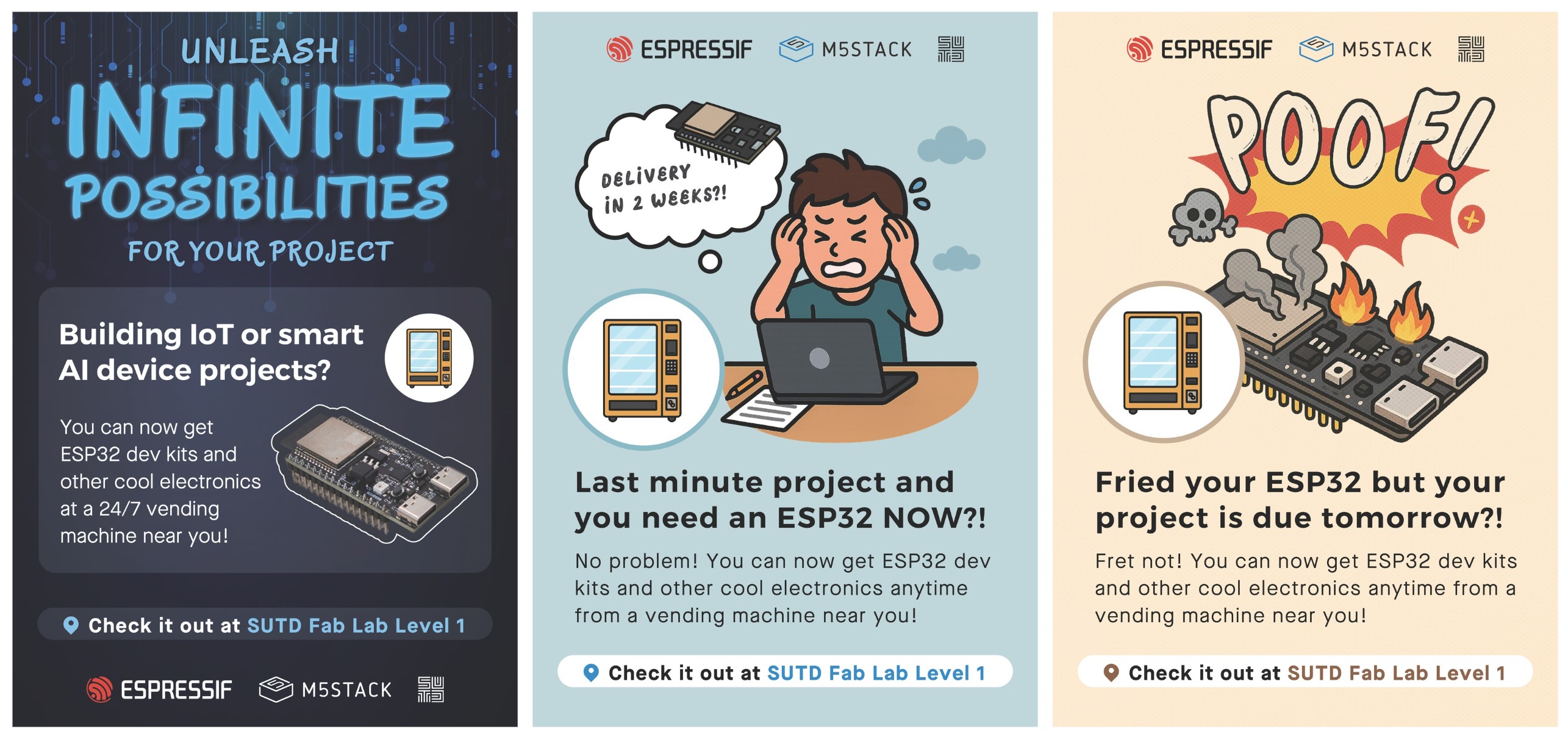
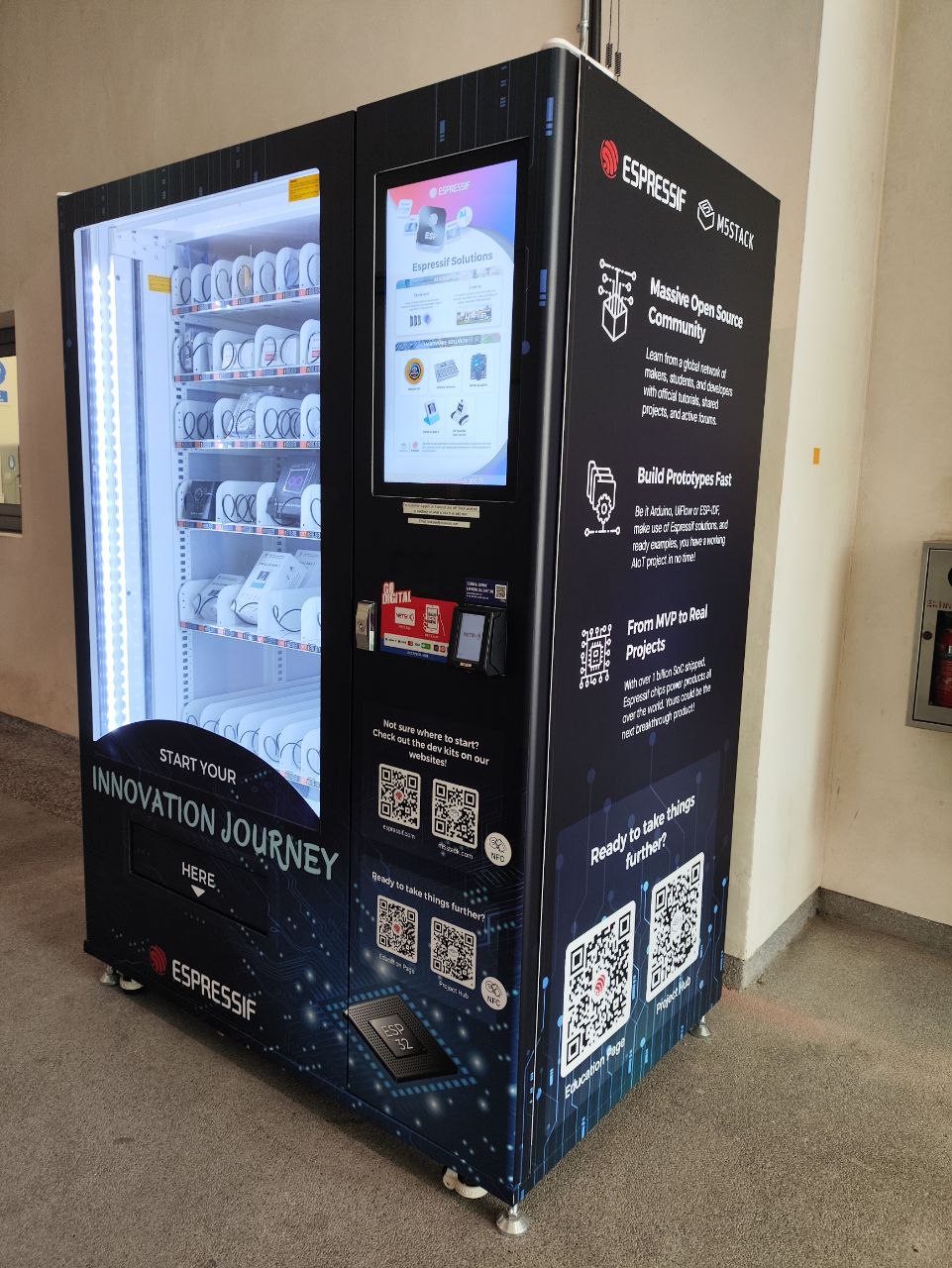
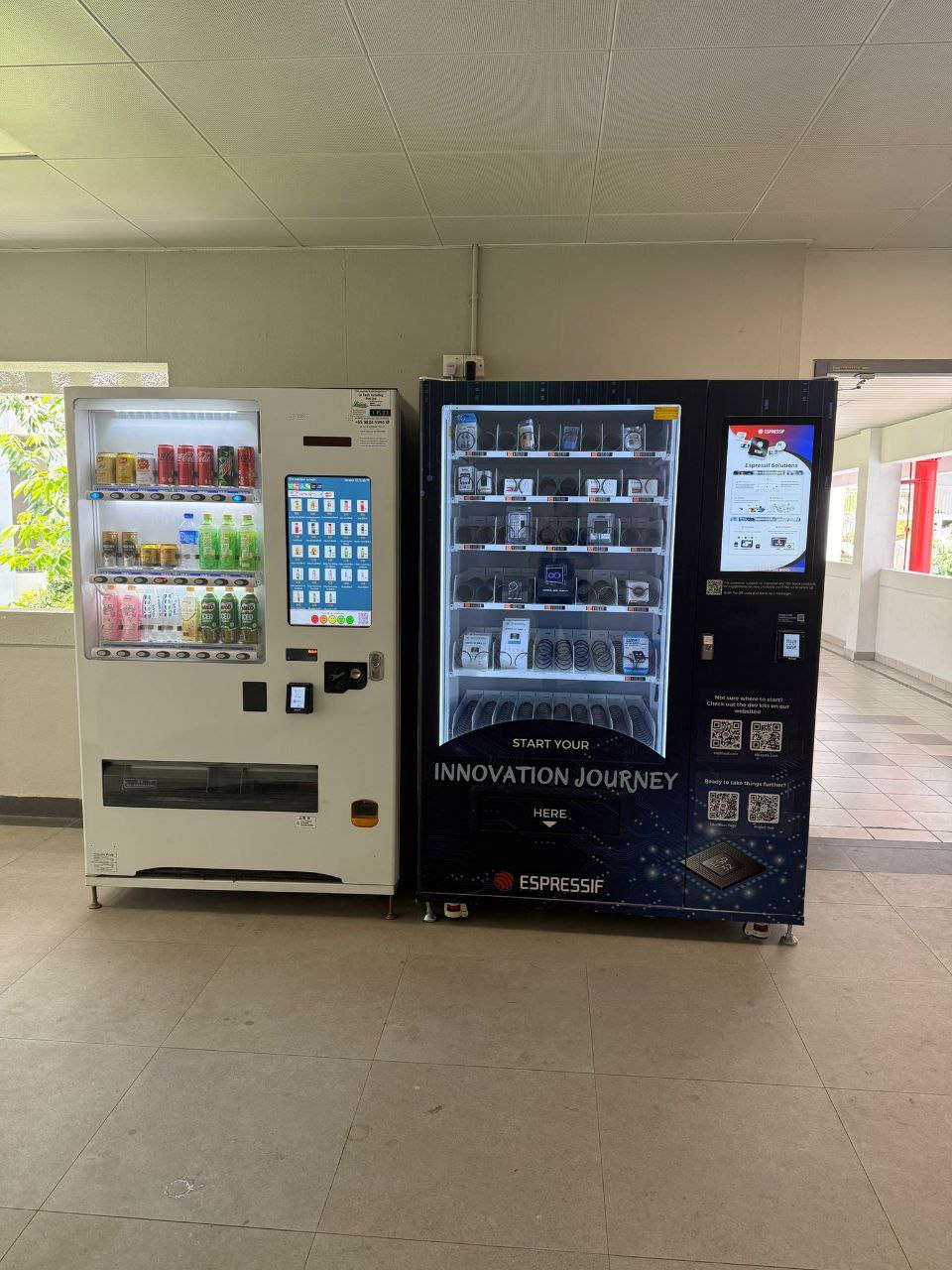
One initiative that I’m particularly proud of was introducing development kit vending machines in universities. The idea itself wasn’t revolutionary. It came from asking a simple question: how do we make it easier for students to start building?
A student preparing for tomorrow’s hackathon shouldn’t have to wait several days for hardware to arrive. If inspiration strikes at 1 AM while working on a capstone project, accessibility shouldn’t become a barrier.
By making development kits available directly within university campuses, we shortened the distance between an idea and its first prototype, even if only by a little.
Over time, I’ve realized that meaningful improvements often come from solving seemingly small problems. Sometimes, lowering the barriers to building is all someone needs to take that first step.
Gen Zs are Cooking
One of my favourite parts about working with students is observing just how quickly they embrace change.
I’ve watched teams learn entirely new technologies within 24 hours of a hackathon and still deliver functioning prototypes. I’ve seen students teach themselves GUI development overnight because their original plans didn’t work. Students today are building in an environment that changes faster than ever before. Technologies emerge overnight, industries continue to evolve and entirely new ways of creating products are constantly being discovered.
Yet, what inspires me most isn’t how quickly students adapt to new technologies. It’s their willingness to start before they know how they’ll finish.
There is a certain courage in attempting something you’ve never done before and trusting that you’ll figure things out along the way. Perhaps that’s something we can all learn from them.
Gratitude
To all the professors, engineers, organizers and student leaders I’ve had the privilege of working with over the years, you know who you are. I’ve thanked many of you privately, but I am grateful nonetheless. None of this would have been possible without your generosity, passion and willingness to invest in the next generation of builders.
Years ago, I was simply another engineering student looking for technologies that could help turn ideas into reality. Today, I have the privilege of helping others begin that same journey.
The technologies will continue to evolve and the problems worth solving will become increasingly complex. What I hope remains unchanged is our willingness to invest in people, communities and opportunities that empower others to start building.
After all, today’s students are tomorrow’s engineers. The cool things they build tomorrow might just begin with the opportunities we create for them today.